
Diving into the realm of annual HVAC maintenance cost, this introduction sets the stage for an in-depth exploration of the key factors, components, cost-effective strategies, and comparisons that affect the overall expenses. The content will provide valuable insights and practical tips for homeowners looking to manage their HVAC maintenance costs efficiently.
Factors Influencing Annual HVAC Maintenance Cost
When it comes to the annual maintenance cost of your HVAC system, several factors come into play that can impact the overall expenses. Understanding these factors can help you budget effectively and plan for any necessary repairs or upkeep.
Age of the System
The age of your HVAC system can greatly influence the annual maintenance cost. Older systems may require more frequent repairs and part replacements, which can add up over time. Newer systems, on the other hand, may be more energy-efficient and have lower maintenance costs.
Frequency of Use
The frequency with which you use your HVAC system can also impact maintenance costs. Systems that are used more often may require more frequent maintenance to keep them running smoothly, increasing the overall cost of upkeep.
Type of HVAC System
The type of HVAC system you have installed can also affect annual maintenance costs. For example, more complex systems with advanced features may require specialized maintenance that can be more costly. Understanding the specific needs of your system can help you anticipate and plan for maintenance expenses.
Geographic Location and Climate
Where you live and the climate in your area can also influence the cost of HVAC maintenance. For example, regions with extreme temperatures may put more strain on your system, leading to more frequent maintenance needs and higher costs. Additionally, areas with high humidity levels may require additional maintenance to prevent mold growth and other issues.
Regular Maintenance
Investing in regular maintenance for your HVAC system can actually help reduce long-term costs. By catching small issues early on and ensuring that your system is running efficiently, you can avoid costly repairs down the line. Regular maintenance can also extend the lifespan of your system, saving you money in the long run.
Typical Components of HVAC Maintenance Cost
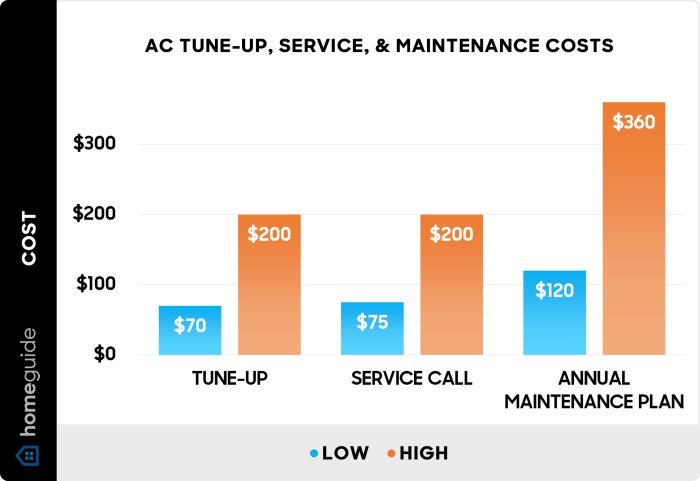
When it comes to annual HVAC maintenance costs, there are several key components that contribute to the overall expense. Understanding these factors can help homeowners budget effectively and prioritize maintenance tasks.
Labor Costs
One of the primary components of HVAC maintenance cost is labor. This includes the fees charged by technicians for their time and expertise in servicing your heating and cooling systems. Labor costs can vary depending on the complexity of the job and the experience level of the technician.
Parts and Materials
In addition to labor, parts and materials are another significant expense in HVAC maintenance. This includes replacement filters, belts, motors, and other components that may need to be replaced during routine maintenance or repairs. The cost of parts can add up quickly, especially for older systems or specialized equipment.
Preventive Maintenance Plans
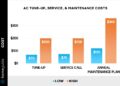
Opting for a preventive maintenance plan with your HVAC provider can impact the overall cost of maintenance. While these plans often involve a yearly fee, they can help reduce unexpected repair costs by catching issues early and keeping your system running efficiently.
Investing in preventive maintenance can save you money in the long run by avoiding costly repairs
Budgeting for Unexpected Repairs
It's important to budget for unexpected repairs in addition to routine maintenance costs. Even with regular maintenance, HVAC systems can still experience breakdowns or malfunctions that require immediate attention. Setting aside funds for emergency repairs can help you avoid financial strain and ensure that your home stays comfortable year-round.
Cost-Effective Strategies for Managing HVAC Maintenance Expenses
Managing HVAC maintenance expenses effectively is crucial for homeowners looking to save money without compromising on the quality of service their HVAC system receives. By implementing certain strategies, homeowners can reduce annual HVAC maintenance costs and ensure their system operates efficiently for years to come.
Investing in Energy-Efficient HVAC Systems
One cost-effective strategy for managing HVAC maintenance expenses is to invest in energy-efficient HVAC systems. While the initial cost may be higher, energy-efficient systems can lower long-term maintenance expenses due to their improved performance and durability. These systems require less frequent repairs and maintenance, saving homeowners money in the long run.
Regular DIY Maintenance Tasks
Another way to reduce annual HVAC maintenance costs is by performing regular DIY maintenance tasks. Simple tasks such as replacing air filters, cleaning vents, and checking for leaks can help minimize the need for professional services and reduce costs. By staying proactive and addressing minor issues early on, homeowners can prevent major repairs and costly maintenance services.
Comparing Annual HVAC Maintenance Costs for Different Types of Systems
When it comes to comparing annual HVAC maintenance costs for different types of systems, several factors come into play. Let's take a closer look at how central air conditioning systems stack up against ductless mini-split systems in terms of maintenance expenses, the impact of commercial HVAC system complexity on costs compared to residential systems, and the variations in maintenance costs based on different brands and models.
Central Air Conditioning Systems vs. Ductless Mini-Split Systems
Central air conditioning systems typically require more extensive maintenance due to their complex ductwork and larger size. This can result in higher annual maintenance costs compared to ductless mini-split systems, which are generally easier to maintain and have fewer components that need servicing.
Impact of Commercial HVAC System Complexity
Commercial HVAC systems are often more complex than residential systems, with larger units, more intricate ductwork, and additional components like rooftop units or chillers. This complexity can significantly impact maintenance costs, as commercial systems may require specialized knowledge and equipment for servicing, leading to higher annual maintenance expenses compared to residential systems.
Variations in Maintenance Costs for Different Brands and Models
The maintenance costs for HVAC systems can also vary depending on the brand and model. Some brands may use higher quality components that require less frequent maintenance, while others may have specific maintenance requirements that can drive up costs. Similarly, newer models with advanced features may require specialized maintenance that comes at a higher price point compared to older, more traditional models.
Final Wrap-Up
In conclusion, understanding the nuances of annual HVAC maintenance costs is essential for homeowners to make informed decisions and optimize their HVAC systems' performance. By implementing cost-effective strategies and staying proactive with maintenance, individuals can ensure long-term savings and comfort in their homes.
Question Bank
What are some common factors influencing annual HVAC maintenance cost?
Factors such as the age of the system, frequency of use, geographic location, and type of HVAC system can all impact annual maintenance costs.
How can homeowners reduce annual HVAC maintenance costs?
Homeowners can reduce costs by investing in energy-efficient systems, performing DIY maintenance tasks, and opting for preventive maintenance plans.
Are there different maintenance costs for residential and commercial HVAC systems?
Yes, commercial HVAC systems tend to be more complex, leading to higher maintenance costs compared to residential systems.