
Exploring the significance of air conditioner tune-ups, this introduction sets the stage for a comprehensive discussion on the key aspects of maintenance. From enhancing efficiency to preventing potential issues, tune-ups play a crucial role in ensuring your air conditioner operates smoothly.
As we delve deeper into the components checked during a tune-up and the benefits of both DIY maintenance and professional services, readers will gain valuable insights into maximizing the lifespan and performance of their air conditioning units.
Importance of Air Conditioner Tune-Ups
Regular tune-ups are crucial for maintaining the optimal performance of your air conditioner and ensuring its longevity. Here are some reasons why tune-ups are essential:
Potential Issues Prevented with Routine Tune-Ups:
- Dirty filters can restrict airflow, leading to reduced cooling efficiency and increased energy consumption. Regular tune-ups involve cleaning or replacing filters, preventing this issue.
- Refrigerant leaks can cause the AC to work harder to cool your home, resulting in higher energy bills. Tune-ups can detect and fix leaks before they escalate.
- Electrical connections can loosen over time, increasing the risk of system failure or even fires. Tune-ups include checking and tightening these connections to ensure safety.
Impact of Well-Maintained Air Conditioner on Energy Efficiency and Longevity:
A well-maintained air conditioner operates more efficiently, consuming less energy to cool your home. This not only saves you money on utility bills but also reduces your carbon footprint by lowering energy consumption.
Regular tune-ups can extend the lifespan of your air conditioner by addressing minor issues before they turn into major problems. By ensuring all components are in good working condition, tune-ups help prevent costly repairs or premature replacements.
Components Checked During a Tune-Up
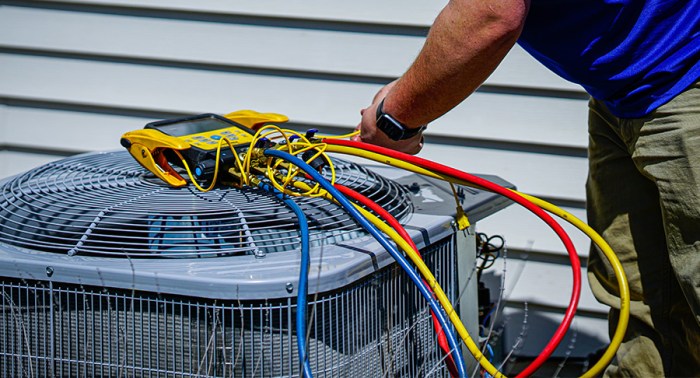
Regular air conditioner tune-ups involve a thorough inspection of various components to ensure optimal performance and efficiency.
Refrigerant Levels and Airflow
During a tune-up, HVAC technicians check the refrigerant levels in the system to ensure they are at the appropriate levels. Proper refrigerant levels are essential for the air conditioner to function efficiently and cool the air effectively. Additionally, technicians also inspect the airflow to ensure there are no obstructions or blockages that could hinder the system's performance.
- Checking refrigerant levels to ensure efficient cooling
- Inspecting airflow for any blockages or obstructions
Cleaning and Replacing Filters, Coils, and Other Parts
Another crucial aspect of an air conditioner tune-up is the cleaning or replacement of filters, coils, and other components. Over time, these parts can accumulate dirt, dust, and debris, which can reduce the system's efficiency and strain its performance. By cleaning or replacing these parts, the air conditioner can operate smoothly and effectively.
- Cleaning or replacing filters to improve air quality and system efficiency
- Cleaning coils to enhance cooling capacity
- Inspecting and tightening electrical connections to prevent system malfunctions
DIY Air Conditioner Maintenance Tips
Regular maintenance of your air conditioner is crucial to ensure its optimal performance and longevity. Here are some practical tips for homeowners to maintain their air conditioners between professional tune-ups:
Cleaning or Replacing Filters
One of the most important tasks in air conditioner maintenance is cleaning or replacing filters regularly. Clogged or dirty filters can restrict airflow, making your AC work harder and less efficiently. To clean or replace filters:
- Turn off the power to the unit before removing the filter.
- Inspect the filter for dirt and debris. If it's dirty, clean it with a vacuum or wash it with mild detergent and water. Allow it to dry completely before reinstalling.
- If the filter is damaged or too dirty to clean, replace it with a new one according to the manufacturer's recommendations.
Cleaning the Outdoor Unit
The outdoor unit of your air conditioner can accumulate dirt, leaves, and debris over time, affecting its efficiency
- Turn off the power to the unit before starting any cleaning.
- Remove any debris, such as leaves, twigs, or grass clippings, from the unit and surrounding area.
- Gently clean the fins of the unit with a soft brush to remove dirt and debris. Be careful not to bend or damage the fins.
- You can also use a garden hose to gently rinse off any remaining dirt or buildup.
Checking and Sealing Ducts
Leaky ducts can result in energy loss and reduced cooling efficiency. To check and seal ducts:
- Inspect the ductwork for any visible leaks or gaps. Seal any leaks with duct mastic or foil tape.
- Ensure that all connections are secure and properly insulated to prevent air leaks.
- Consider hiring a professional to conduct a duct inspection and sealing for more extensive issues.
Professional Maintenance Schedule
While DIY maintenance is essential, it's also crucial to schedule regular professional tune-ups for your air conditioner. A professional HVAC technician can inspect, clean, and service your unit to ensure optimal performance and efficiency.Remember, proper maintenance of your air conditioner not only improves its efficiency but also extends its lifespan, saving you money on repair costs and energy bills in the long run.
Benefits of Professional Tune-Ups
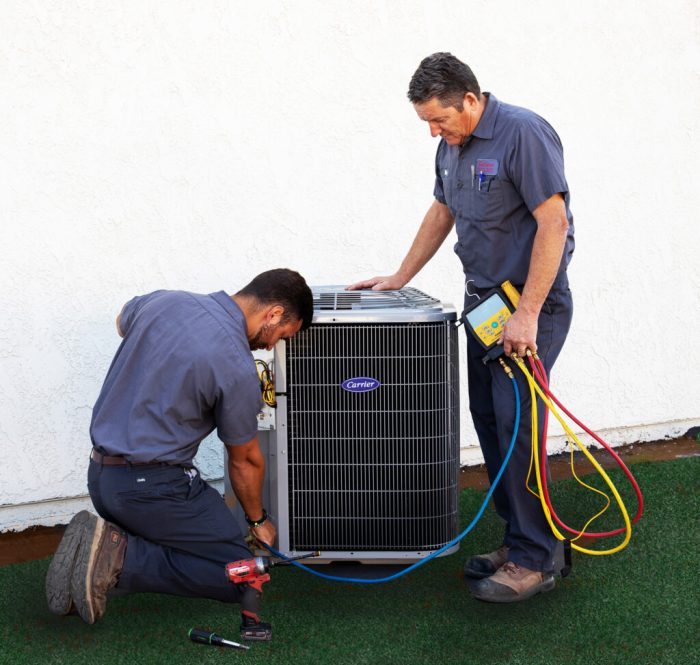
Professional air conditioner tune-ups offer several advantages over DIY maintenance. While DIY efforts can help homeowners save money, professional technicians bring expertise and knowledge to the table that can make a significant difference in the performance and longevity of the air conditioning system.
Identifying Potential Issues
Professional technicians are trained to identify potential issues with an air conditioner that homeowners might overlook. They have the skills and tools necessary to detect early signs of wear and tear, leaks, or other problems that could lead to bigger issues if left unattended.
- Professional technicians can perform thorough inspections of the system, including checking refrigerant levels, ductwork, electrical components, and overall system efficiency.
- They can pinpoint and address issues before they escalate, preventing costly repairs or replacements down the line.
- Technicians can also provide recommendations for improving the system's performance and energy efficiency.
Extending Lifespan of the Air Conditioner
Regular professional tune-ups can help extend the lifespan of an air conditioner significantly. By ensuring that the system is well-maintained and running efficiently, homeowners can avoid premature breakdowns and costly replacements.
- Professional tune-ups involve cleaning and adjusting critical components, which can reduce wear and tear on the system.
- Technicians can also address any underlying issues that could shorten the lifespan of the air conditioner if left unattended.
- Regular maintenance can help the system operate at peak performance, leading to lower energy bills and a more comfortable indoor environment.
Final Conclusion
In conclusion, regular air conditioner tune-ups are not just a maintenance task but a proactive measure to extend the longevity of your unit. By understanding the components involved, homeowners can take charge of their cooling systems and enjoy a comfortable indoor environment all year round.
Top FAQs
Why are regular tune-ups important?
Regular tune-ups help identify potential issues early, improve energy efficiency, and extend the lifespan of your air conditioner.
What components are typically checked during a tune-up?
Components checked include refrigerant levels, airflow, filters, coils, and other essential parts.
Can homeowners perform DIY maintenance on their air conditioners?
Yes, homeowners can perform tasks like cleaning or replacing filters to maintain their air conditioners between professional tune-ups.
What are the benefits of hiring a professional for tune-ups?
Professional technicians can address issues that homeowners might overlook and help extend the lifespan of the air conditioner.