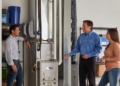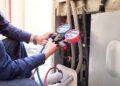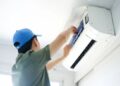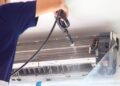

When it comes to ensuring your Carrier HVAC system runs smoothly, regular maintenance is essential. By diving into the intricacies of carrier hvac maintenance, this piece aims to shed light on the importance of proper care and upkeep for your system.
Exploring the various components, frequency of maintenance, and DIY tips, this guide serves as a comprehensive resource for homeowners and businesses alike.
Importance of Carrier HVAC Maintenance
Regular maintenance of Carrier HVAC systems is essential to ensure optimal performance and longevity. Neglecting maintenance can lead to various issues that can affect the efficiency and functionality of the system, ultimately resulting in costly repairs or replacements.
Potential Issues from Neglected Maintenance
- Poor air quality: Dust, mold, and other contaminants can accumulate in the system, leading to decreased indoor air quality.
- Reduced efficiency: Dirty filters, coils, and other components can cause the system to work harder, increasing energy consumption.
- System breakdowns: Lack of maintenance can result in unexpected breakdowns, leaving you without heating or cooling when you need it most.
Improving Energy Efficiency and Prolonging System Lifespan
Regular maintenance, such as cleaning filters, checking refrigerant levels, and inspecting components, can help improve energy efficiency by ensuring the system operates smoothly. Additionally, proper maintenance can extend the lifespan of the HVAC system, saving you money in the long run by avoiding premature replacements.
Cost-Saving Benefits of Proactive Maintenance
- Preventing costly repairs: By addressing minor issues during routine maintenance, you can prevent major breakdowns that require expensive repairs.
- Lower energy bills: A well-maintained HVAC system operates more efficiently, reducing energy consumption and lowering your utility bills.
- Extended system lifespan: Regular maintenance can help your Carrier HVAC system last longer, delaying the need for a full replacement.
Components of Carrier HVAC Systems
Carrier HVAC systems consist of various components that work together to ensure efficient heating, ventilation, and air conditioning. Proper maintenance of these components is essential to keep the system running smoothly and prevent issues down the line.
Air Filters
Air filters play a crucial role in maintaining indoor air quality by trapping dust, dirt, and other particles. Clogged filters can restrict airflow and reduce system efficiency.
- Regularly check and replace air filters every 1-3 months, depending on usage.
- Clean reusable filters according to manufacturer's instructions.
Thermostat
The thermostat controls the temperature settings and regulates when the HVAC system turns on and off. A malfunctioning thermostat can lead to inconsistent temperatures and high energy bills.
- Calibrate the thermostat to ensure accurate temperature readings.
- Replace batteries if applicable and check for loose wiring connections.
Coils
The evaporator and condenser coils are responsible for heat exchange in the system. Dirty coils can reduce cooling efficiency and strain the compressor.
- Clean coils annually to remove dirt, debris, and mold buildup.
- Inspect for leaks or damage that may require professional repair.
Blower Motor
The blower motor circulates air through the ducts and into the living spaces. A malfunctioning blower motor can lead to poor airflow and uneven heating or cooling.
- Lubricate moving parts and check for any unusual noises or vibrations.
- Inspect the belts for wear and tear and replace if necessary.
Refrigerant Levels
Refrigerant is essential for the cooling process in an HVAC system. Low refrigerant levels can indicate a leak and lead to inefficient cooling performance.
- Check refrigerant levels annually and top up if needed by a certified technician.
- Inspect for leaks and seal any found to prevent further loss.
Frequency of Maintenance
Regular maintenance is crucial to ensure the efficiency and longevity of Carrier HVAC systems. Here, we will discuss the recommended frequency of maintenance for both residential and commercial systems, as well as provide a maintenance schedule template for homeowners to follow.
Recommended Frequency of Maintenance
For residential Carrier HVAC systems, it is recommended to have routine maintenance performed at least once a year. This includes tasks such as cleaning the filters, inspecting the ductwork, and checking for any potential issues. However, it is also advisable to schedule a professional tune-up before the start of each heating and cooling season to ensure optimal performance.
On the other hand, commercial Carrier HVAC systems typically require more frequent maintenance due to their larger size and higher usage. It is recommended to have quarterly inspections and tune-ups to keep the system running smoothly and prevent any major breakdowns.
Maintenance Schedule Template for Homeowners
- Every month: Check and replace air filters if dirty.
- Every three months: Inspect ductwork for leaks and blockages.
- Every six months: Clean the outdoor unit and trim any vegetation around it.
- Once a year: Schedule a professional tune-up and inspection.
DIY Maintenance Tips for Carrier HVAC Systems
Regular maintenance of your Carrier HVAC system is essential to ensure its efficiency and longevity. While some tasks require professional assistance, there are simple maintenance tips that homeowners can perform to keep their system running smoothly.
Cleaning or Replacing Filters
One of the most important maintenance tasks for your Carrier HVAC system is cleaning or replacing the filters. Clogged filters can restrict airflow, reduce efficiency, and even cause system malfunctions. Here is a step-by-step guide to help you:
- Turn off the power to your HVAC system before starting any maintenance.
- Locate the air filter, usually found behind the return air grille or within the air handler unit.
- Remove the filter and check its condition. If it is dirty or clogged, it needs to be cleaned or replaced.
- If the filter is reusable, wash it with water and mild detergent, let it dry completely, and reinstall it. If it is disposable, replace it with a new filter of the same size and type.
- Make sure to install the filter correctly, following the arrows indicating the airflow direction.
- Turn the power back on and monitor the system to ensure proper airflow.
Remember to check and clean or replace your filters every 1-3 months, depending on usage and air quality.
Safety Precautions for DIY Maintenance
While performing DIY maintenance on your Carrier HVAC system, it is important to prioritize safety. Here are some precautions to consider:
- Always turn off the power to your HVAC system before starting any maintenance to prevent electric shocks.
- Use safety gear such as gloves and goggles to protect yourself from dust, debris, and sharp edges.
- Follow the manufacturer's instructions and guidelines provided in the user manual for proper maintenance procedures.
- If you encounter any complex issues or components that require professional expertise, do not hesitate to contact a licensed HVAC technician.
Last Point
In conclusion, maintaining your Carrier HVAC system is not just about fixing issues as they arise, but about preventing them in the first place. By staying proactive with maintenance, you can save money, increase energy efficiency, and extend the lifespan of your system.
Frequently Asked Questions
How often should I schedule maintenance for my Carrier HVAC system?
Maintenance should be done at least once a year to ensure optimal performance.
Can I perform maintenance tasks on my Carrier HVAC system myself?
Yes, simple tasks like cleaning or replacing filters can be done by homeowners. However, more complex issues should be handled by professionals.
What are the benefits of regular maintenance for my Carrier HVAC system?
Regular maintenance can improve energy efficiency, prevent costly repairs, and extend the lifespan of your system.