
Central air conditioner repair is a crucial aspect of maintaining a comfortable home environment. From diagnosing common issues to performing DIY maintenance, this guide covers everything you need to know to keep your system running smoothly. Let's dive in!
When it comes to troubleshooting and repairing your central air conditioner, having the right knowledge and tools can make all the difference.
Common Central Air Conditioner Issues
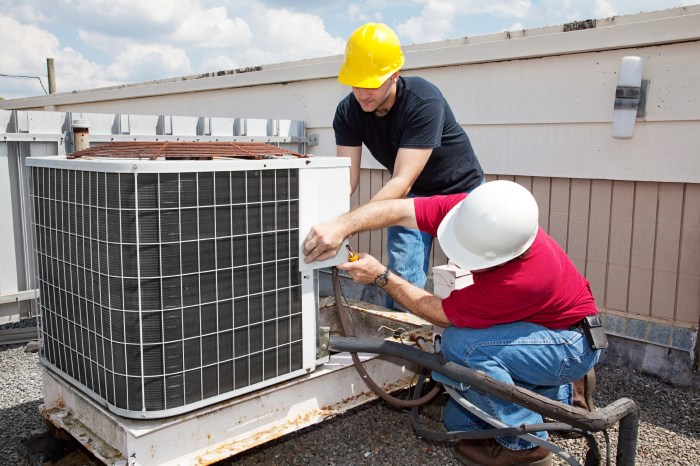
Central air conditioners can face a variety of issues that can impact their performance and efficiency. It's important to be aware of these common problems and warning signs that indicate a need for repair.
Refrigerant Leaks
Refrigerant leaks are a common issue in central air conditioners that can lead to reduced cooling capacity and increased energy consumption. Signs of a refrigerant leak include insufficient cooling, ice buildup on the refrigerant lines, and hissing or bubbling noises.
Dirty Filters
Dirty filters can restrict airflow, causing the air conditioner to work harder to cool your home. This can lead to decreased efficiency, higher energy bills, and potential damage to the system. Warning signs of dirty filters include reduced airflow, increased dust in your home, and uneven cooling.
Faulty Thermostat
A faulty thermostat can cause your central air conditioner to run erratically or not cool your home properly. Signs of a faulty thermostat include temperature fluctuations, the air conditioner not turning on or off as programmed, and inaccurate temperature readings.
Electrical Issues
Electrical problems, such as faulty wiring or a malfunctioning capacitor, can cause your air conditioner to stop working altogether. Signs of electrical issues include tripped circuit breakers, strange odors coming from the unit, and unusual sounds during operation.
Troubleshooting Central Air Conditioners
When your central air conditioner is not working properly, it can be frustrating. However, troubleshooting the issues step-by-step can help you identify the problem and potentially save you money on repair costs.
Step-by-Step Troubleshooting Process
Here is a step-by-step guide to help you diagnose central air conditioner problems:
- Check the thermostat settings to ensure they are correctly set for cooling.
- Inspect the air filter and replace it if it's dirty or clogged.
- Examine the circuit breaker to make sure the air conditioner is receiving power.
- Clean the condenser coils to remove any dirt or debris that may be blocking airflow.
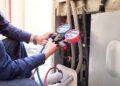
- Inspect the refrigerant levels to ensure they are adequate for proper cooling.
- If you are still experiencing issues, it may be time to call a professional HVAC technician for further diagnosis and repair.
Tools and Equipment Needed
For troubleshooting central air conditioners, you may need the following tools and equipment:
- Multi-meter to test electrical components
- Screwdrivers for removing panels and accessing internal parts
- Cleaning supplies for maintaining condenser coils and other components
- Flashlight for inspecting hard-to-reach areas
Tips for Safely Troubleshooting Central Air Conditioners
Here are some tips to help you safely troubleshoot your central air conditioner:
- Always turn off the power to the unit before performing any maintenance or troubleshooting.
- Wear appropriate safety gear, such as gloves and goggles, to protect yourself from electrical hazards and debris.
- If you are unsure about any steps in the troubleshooting process, it's best to consult a professional HVAC technician to avoid causing further damage.
Repairing Central Air Conditioners
Regular maintenance is crucial for the proper functioning of central air conditioners. Keeping up with maintenance tasks such as cleaning or replacing filters, checking refrigerant levels, and inspecting ductwork can help prevent common issues and ensure your system runs efficiently.
Importance of Regular Maintenance
- Regular maintenance helps extend the lifespan of your central air conditioner.
- It can improve indoor air quality by keeping the system clean and free of debris.
- Proper maintenance can help identify and address minor issues before they escalate into major problems.
Repair Process for Common Central Air Conditioner Issues
- Issue: Air conditioner not cooling properly.
- Check thermostat settings and replace the air filter if dirty.
- Inspect the condenser unit for dirt or debris blocking airflow.
- Verify that the refrigerant levels are adequate.
- Issue: Strange noises coming from the air conditioner.
- Check for loose or damaged parts that may be causing the noise.
- Tighten any loose screws or bolts and lubricate moving components.
- If the noise persists, contact a professional for further inspection.
- Issue: Air conditioner not turning on.
- Check the power source and circuit breaker to ensure they are functioning.
- Inspect the thermostat and replace batteries if needed.
- If the issue persists, seek assistance from a professional technician.
When to Hire a Professional for Central Air Conditioner Repairs
- Complex issues such as refrigerant leaks or compressor problems should be handled by a licensed HVAC technician.
- If you are unsure about the repair process or lack the necessary tools and equipment, it's best to hire a professional.
- Professional technicians have the expertise to diagnose and repair central air conditioner issues efficiently and effectively.
DIY Central Air Conditioner Maintenance
Regular maintenance is key to ensuring your central air conditioner runs efficiently and lasts for years to come. By performing simple maintenance tasks yourself, you can prevent issues, extend the lifespan of your unit, and maintain optimal performance. Here are some DIY central air conditioner maintenance tips to help you keep your system in top shape.
Cleaning and Upkeep
Regular cleaning and upkeep of your central air conditioner can significantly impact its performance and longevity. Here are some maintenance tasks you can do yourself to keep your unit running smoothly:
- Change the air filter regularly: A dirty air filter can restrict airflow and cause your system to work harder, leading to increased energy consumption and potential damage. Check the filter monthly and replace it every 1-3 months, or as recommended by the manufacturer.
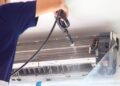
- Clean the outdoor unit: Remove any debris, leaves, and dirt from the outdoor unit to prevent airflow blockages and maintain proper ventilation. Use a garden hose to gently clean the coils and fins, being careful not to damage them.
- Inspect and clean the indoor vents: Make sure all vents are clean and unobstructed to allow for proper airflow throughout your home. Vacuum or dust the vents regularly to prevent dust buildup.
- Check the thermostat: Ensure your thermostat is functioning correctly and set to the desired temperature. Consider upgrading to a programmable thermostat for more precise temperature control and energy savings.
Optimizing Performance
In addition to regular cleaning and upkeep, there are other DIY methods to help optimize the performance of your central air conditioner:
- Seal air leaks: Inspect windows, doors, and ductwork for leaks that could allow cool air to escape and warm air to enter your home. Seal any gaps or cracks to improve energy efficiency and reduce strain on your system.
- Monitor refrigerant levels: If you notice a decrease in cooling performance, check the refrigerant levels in your system. Low refrigerant levels can indicate a leak and should be addressed by a professional HVAC technician.
- Schedule professional maintenance: While DIY maintenance is important, it's also essential to schedule regular professional maintenance to ensure your central air conditioner is running efficiently and effectively. A professional tune-up can identify and address any potential issues before they escalate.
Summary
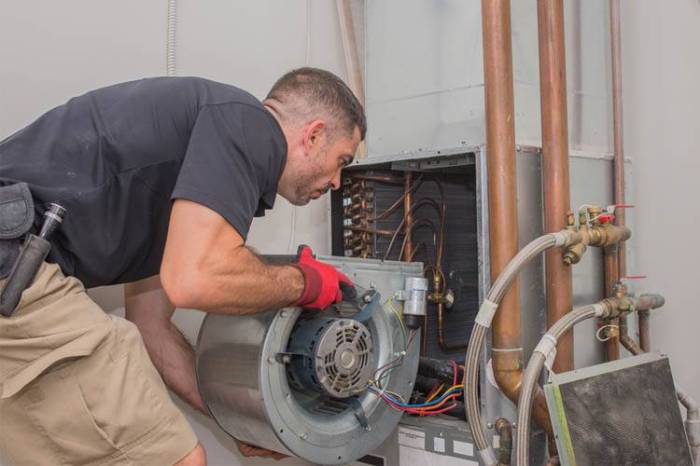
In conclusion, taking proactive steps to address central air conditioner issues can help you avoid costly repairs and ensure efficient cooling throughout the year. By following the tips and guidelines Artikeld in this guide, you can enjoy a well-functioning system for years to come.
Answers to Common Questions
What are some common warning signs that indicate a central air conditioner needs repair?
Some common warning signs include strange noises, weak airflow, and inconsistent cooling.
When should I consider hiring a professional for central air conditioner repairs?
If you encounter complex issues like refrigerant leaks or electrical problems, it's best to hire a professional for repairs.
What are some DIY maintenance tasks I can perform to extend the lifespan of my central air conditioner?
You can clean or replace air filters, clear debris around the outdoor unit, and ensure proper airflow by keeping vents unobstructed.