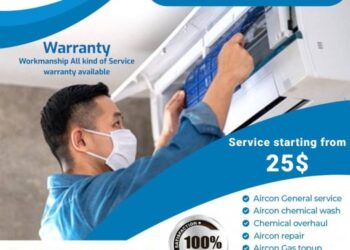

When it comes to emergency air conditioner repair, quick action is key to maintaining comfort and safety. This guide delves into the importance of immediate repairs, common causes of breakdowns, steps to take during an emergency, and cost considerations. Stay prepared and informed with this comprehensive overview.
Importance of Emergency Air Conditioner Repair
Immediate repair of a malfunctioning air conditioner during emergencies is crucial to ensure the well-being and comfort of individuals in indoor spaces. Delaying repairs can lead to a variety of risks and consequences that impact both health and safety.
Potential Risks of Delaying Air Conditioner Repairs
- Increased Energy Consumption: A malfunctioning air conditioner may work harder to cool the space, leading to higher energy bills.
- Reduced Air Quality: Poorly maintained AC units can circulate dust, allergens, and pollutants, affecting indoor air quality.
- Risk of Complete Breakdown: Ignoring minor issues can escalate into major problems, resulting in the need for costly repairs or even replacement.
Impact of a Malfunctioning Air Conditioner on Indoor Comfort and Health
- Uncomfortable Indoor Temperatures: A faulty AC may fail to maintain desired temperatures, causing discomfort and inconvenience.
- Humidity Levels: Improper functioning of the air conditioner can lead to high humidity levels, which promote mold growth and respiratory issues.
- Heat-Related Illness: In extreme cases, prolonged exposure to heat and humidity due to a malfunctioning AC can increase the risk of heat-related illnesses.
Common Causes of Emergency Air Conditioner Breakdowns
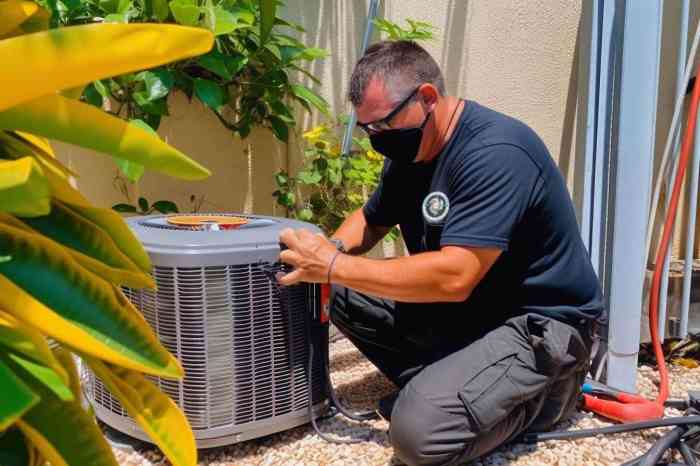
Emergency air conditioner breakdowns can be caused by a variety of factors that can disrupt the normal functioning of your cooling system.
1. Lack of Maintenance
One of the most common reasons for sudden air conditioner failures is the lack of regular maintenance. Without proper cleaning, inspection, and servicing, the components of the air conditioner can wear out faster and lead to unexpected breakdowns.
2. Refrigerant Leaks
Refrigerant leaks can also cause emergency air conditioner breakdowns. When there is a leak in the refrigerant lines, the cooling capacity of the system is compromised, leading to poor performance and potential damage to other components.
3. Electrical Issues
Electrical problems, such as faulty wiring or capacitor issues, can result in sudden breakdowns of your air conditioner. These issues can cause the system to malfunction or stop working altogether, requiring immediate repairs.
4. Clogged Air Filters
Dirty and clogged air filters can restrict airflow and cause the air conditioner to overheat, leading to system failures. Regularly changing or cleaning the air filters is essential to prevent emergency breakdowns.
5. Extreme Weather Conditions
Extreme heat or humidity can put a strain on your air conditioner, especially if it is older or not properly maintained. High temperatures can cause the system to work harder, increasing the risk of breakdowns during peak usage periods.
Steps to Take When Facing an Air Conditioner Emergency
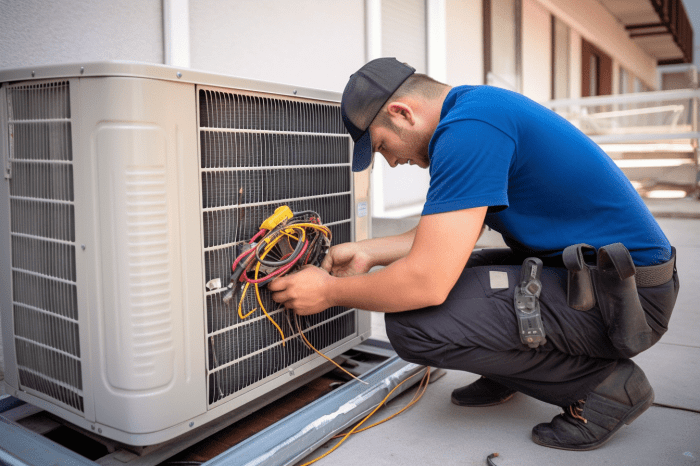
When your air conditioner suddenly stops working, it can be a stressful situation, especially during hot weather. Here are some steps to take to address an air conditioner emergency effectively.
Basic Troubleshooting
- Check the thermostat settings to ensure they are correctly set. Sometimes, the thermostat may have been accidentally adjusted.
- Inspect the air filter for any clogs or dirt buildup. A dirty filter can restrict airflow and cause the system to malfunction.
- Verify that the circuit breaker has not tripped. Resetting the breaker may restore power to the air conditioner.
Safety Precautions
- Before attempting any troubleshooting, ensure to turn off the power to the air conditioner at the breaker box to prevent any electrical accidents.
- Avoid tampering with any internal components of the air conditioner if you are not familiar with HVAC systems. It's best to leave complex repairs to professionals.
- Keep the area around the outdoor unit clear of debris and vegetation to maintain proper airflow and prevent overheating.
DIY vs
. Professional Repair for Emergency Air Conditioner Issues
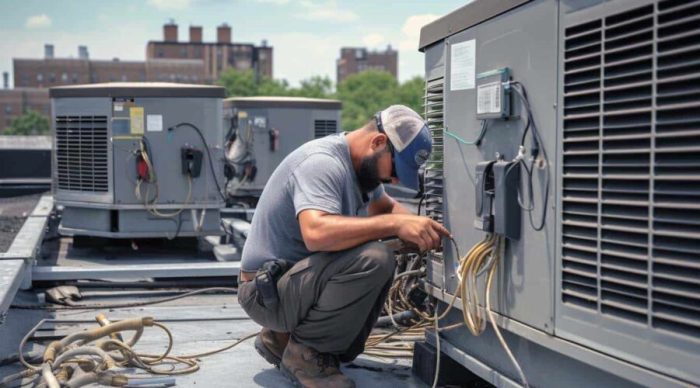
When facing an air conditioner emergency, the decision between attempting a DIY repair or seeking professional help can be crucial. Let's explore the advantages and disadvantages of each option to help you make an informed choice.
DIY Repairs during Emergencies
- Advantages:
- Immediate action: DIY repairs can be done quickly without waiting for a professional technician.
- Cost-effective: You can save money on service fees by fixing the issue yourself.
- Empowerment: Successfully repairing your AC can give you a sense of accomplishment.
- Disadvantages:
- Risk of further damage: Inexperienced DIY attempts can worsen the problem and lead to costly repairs.
- Safety concerns: Working with electrical components without proper knowledge can be dangerous.
- Lack of expertise: Complex issues may require specialized skills that DIY enthusiasts may not possess.
When to Seek Professional Help
- Complex problems: If the issue is beyond basic troubleshooting, it's best to call a professional.
- Safety risks: Electrical or mechanical issues should be handled by trained technicians to avoid accidents.
- Warranty concerns: DIY repairs can void the warranty, while professional services often come with guarantees.
Risks of Inexperienced DIY Repairs
- Electrical hazards: Handling wiring and components without expertise can pose a risk of electric shock or fire.
- Voided warranties: DIY repairs may nullify warranties, leaving you responsible for future repairs and costs.
- Incomplete repairs: Without proper diagnosis and repair, the underlying issue may persist or worsen over time.
Cost Considerations for Emergency Air Conditioner Repair
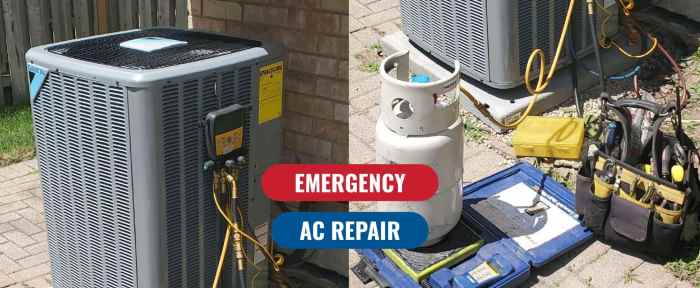
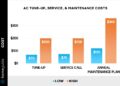
When faced with an air conditioner emergency, the cost of repairs can be a major concern for homeowners. Understanding the factors that influence these costs, as well as how to budget and compare quotes, is crucial in managing unexpected expenses.
Factors Influencing Repair Costs
- Extent of Damage: The severity of the issue and the parts/components that need to be repaired or replaced will directly impact the cost.
- Age of the System: Older air conditioning units may require more expensive repairs due to outdated parts or systems.
- Brand and Model: Some brands or models may have specialized parts that are more costly to repair or replace.
- Service Provider: Different companies may have varying labor costs, service fees, and markups on parts.
- Time of Service: Emergency repairs outside of regular business hours or during weekends/holidays may incur additional charges.
Budgeting for Unexpected AC Repair Expenses
- Set Aside Emergency Fund: Having a dedicated fund for home repairs, including air conditioner emergencies, can help cover unexpected costs.
- Maintain Regular Maintenance: Routine maintenance can help prevent major breakdowns, reducing the likelihood of costly emergency repairs.
- Compare Quotes: Obtain estimates from multiple service providers to compare prices, services offered, and warranty options.
- Consider Financing Options: If the repair costs are too high, inquire about financing plans or payment options to spread out the expenses.
Getting Quotes and Estimates
- Request Detailed Quotes: Ask for itemized quotes that specify labor costs, parts, service fees, and any additional charges.
- Check Credentials: Verify the credentials, experience, and reputation of the service providers to ensure quality workmanship.
- Ask About Warranties: Inquire about warranties on parts and labor to protect your investment and avoid unexpected expenses in the future.
Concluding Remarks
In conclusion, addressing air conditioner emergencies promptly is vital for your well-being and peace of mind. By understanding the causes, steps to take, and cost factors involved, you can navigate such situations effectively. Remember, a cool and comfortable indoor environment is just a repair away.
Commonly Asked Questions
What are the risks of delaying air conditioner repairs?
Delaying repairs can lead to further damage to your air conditioner, potentially resulting in higher repair costs and discomfort due to lack of cooling.
When should you seek professional help for air conditioner problems?
If basic troubleshooting doesn't resolve the issue or if you're unsure about handling the repair, it's best to contact a professional HVAC technician.
How can you budget for unexpected AC repair expenses?
Setting aside a portion of your budget for home maintenance can help cover unexpected AC repair costs. Additionally, exploring financing options or service plans can provide financial assistance.