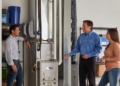

When it comes to maintaining your residential HVAC system, regular upkeep is key to ensuring optimal performance and efficiency. Neglecting maintenance can lead to a host of issues that could have been easily prevented. Let's dive into the world of residential HVAC maintenance and explore why it's so crucial for every homeowner.
As we delve deeper, we will uncover the essential components of a maintenance routine, frequency recommendations, DIY tips for homeowners, the benefits of professional services, and cost considerations. Stay tuned to discover how you can keep your HVAC system running smoothly and your home comfortable throughout the year.
Importance of Residential HVAC Maintenance
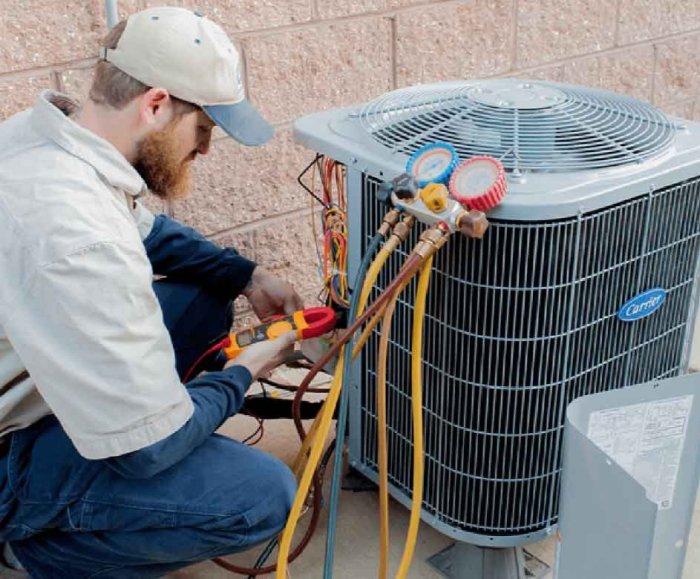
Regular maintenance of residential HVAC systems is crucial for ensuring optimal performance and efficiency. Neglecting maintenance can lead to a range of issues that can impact both the system and the comfort of the occupants.
Impact of Neglecting Maintenance
Neglecting HVAC maintenance can result in decreased efficiency, higher energy bills, and a shorter lifespan of the system. Dust and debris buildup can clog filters and ducts, reducing airflow and making the system work harder to heat or cool the home.
This increased strain can lead to more frequent breakdowns and costly repairs.
Common Issues Prevented with Regular Maintenance
1. Reduced Efficiency
Regular maintenance can help keep the system running efficiently, reducing energy consumption and lowering utility bills.
2. Poor Indoor Air Quality
Dirty filters and ducts can lead to poor indoor air quality, causing respiratory issues and allergies. Regular maintenance can help improve air quality by keeping the system clean.
3. System Breakdowns
By identifying and addressing potential issues early on, regular maintenance can prevent sudden breakdowns and the inconvenience of a malfunctioning HVAC system.
4. Increased Lifespan
Proper maintenance can extend the lifespan of the HVAC system, saving homeowners the cost of premature replacement.
Components of Residential HVAC Maintenance
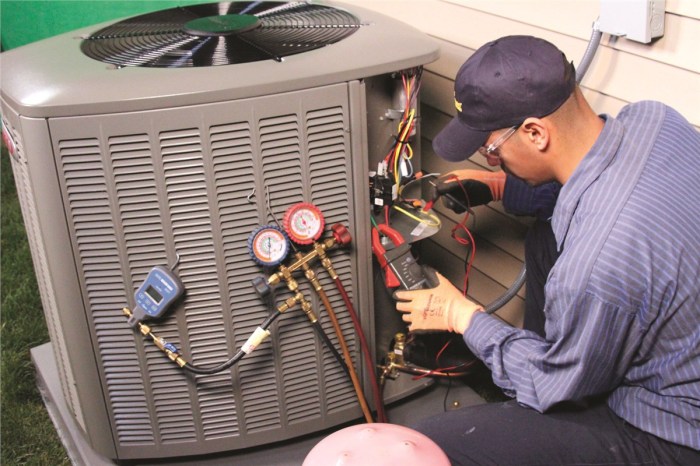
Routine maintenance checks for residential HVAC systems are essential to ensure optimal performance and longevity. Key components that should be included in a maintenance check are inspecting and cleaning filters, coils, and ductwork, as well as checking refrigerant levels and system controls.
Inspecting and Cleaning Filters, Coils, and Ductwork
Regularly inspecting and cleaning filters, coils, and ductwork is crucial for the efficient operation of your HVAC system. Dirty filters can restrict airflow, leading to reduced efficiency and increased energy consumption. Clogged coils can also hinder the heat transfer process, causing the system to work harder and potentially leading to breakdowns.
Additionally, dirty ductwork can circulate dust, allergens, and contaminants throughout your home, affecting indoor air quality. By keeping these components clean, you can improve system efficiency, reduce energy costs, and ensure better air quality in your home.
Checking Refrigerant Levels and System Controls
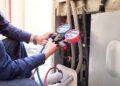
Monitoring refrigerant levels and system controls is another important aspect of HVAC maintenance. Low refrigerant levels can indicate a leak in the system, which can lead to poor cooling performance and potential damage to the compressor. System controls, such as thermostats and sensors, should also be checked to ensure they are functioning properly.
Proper refrigerant levels and functioning controls are essential for maintaining the overall performance and efficiency of your HVAC system.
Frequency of Maintenance
Regular maintenance of residential HVAC systems is crucial to ensure optimal performance, energy efficiency, and longevity. The frequency of maintenance can vary depending on several factors, such as the age of the system, usage patterns, and environmental conditions. Here, we will explore recommendations on how often HVAC systems should be maintained and compare the benefits of annual versus bi-annual maintenance schedules.
Recommended Maintenance Frequency
- It is generally recommended to have residential HVAC systems professionally serviced at least once a year. This annual maintenance visit allows HVAC technicians to inspect, clean, and tune-up the system to ensure it operates efficiently.
- In some cases, systems that are older or experience heavier usage may benefit from bi-annual maintenance visits. This can help address any potential issues before they escalate and ensure the system continues to perform optimally.
Factors Influencing Maintenance Frequency
- The age of the HVAC system plays a significant role in determining how often maintenance is required. Older systems may need more frequent attention to prevent breakdowns and maintain efficiency.
- Usage patterns, such as running the HVAC system constantly or in extreme weather conditions, can also impact the frequency of maintenance needed. Systems that work harder may need more frequent servicing.
- Environmental factors, like dust, pollen, or pet dander, can affect the cleanliness of the system and may require more frequent filter changes or cleanings.
Benefits of Annual vs. Bi-Annual Maintenance
- Annual maintenance visits provide an opportunity to catch minor issues early, preventing major breakdowns and costly repairs down the line.
- Bi-annual maintenance schedules can offer more comprehensive inspections and ensure that the system is ready to handle the demands of changing seasons.
- Regardless of the frequency, regular maintenance helps improve energy efficiency, prolong the lifespan of the system, and ensure consistent comfort throughout the year.
DIY Maintenance Tips for Homeowners
When it comes to maintaining your residential HVAC system, there are several tasks that homeowners can do themselves to ensure optimal performance and efficiency. By performing basic maintenance regularly, you can extend the lifespan of your HVAC system and save on energy costs
Here are some practical tips for homeowners to follow:
Changing Air Filters
Regularly changing the air filters in your HVAC system is one of the most important maintenance tasks you can do. Clogged or dirty filters can restrict airflow and cause your system to work harder, leading to increased energy consumption. Follow these steps to change your air filters:
- Turn off your HVAC system.
- Locate the air filter panel on your unit.
- Remove the old filter and dispose of it properly.
- Insert a new filter, making sure it is facing the correct direction.
- Secure the filter panel back in place.
- Turn on your HVAC system and check for proper airflow.
Cleaning Vents and Ducts
Over time, dust and debris can accumulate in your vents and ducts, reducing airflow and indoor air quality. Here's how you can clean your vents and ducts:
- Remove vent covers and clean them with a damp cloth.
- Use a vacuum with a brush attachment to clean inside the vents.
- Consider hiring a professional duct cleaning service for a more thorough cleaning.
Checking Thermostat Settings
Monitoring your thermostat settings can help you optimize your HVAC system's performance and save on energy costs. Follow these steps to check your thermostat settings:
- Make sure your thermostat is set to the desired temperature.
- Consider investing in a programmable thermostat for more precise control over your heating and cooling settings.
Remember, while these DIY maintenance tasks are important, there are limitations to what homeowners can do. For more complex issues, such as refrigerant leaks or electrical problems, it's best to seek professional assistance. Regular maintenance by a qualified HVAC technician is crucial to keep your system running smoothly and efficiently.
Benefits of Professional HVAC Maintenance Services
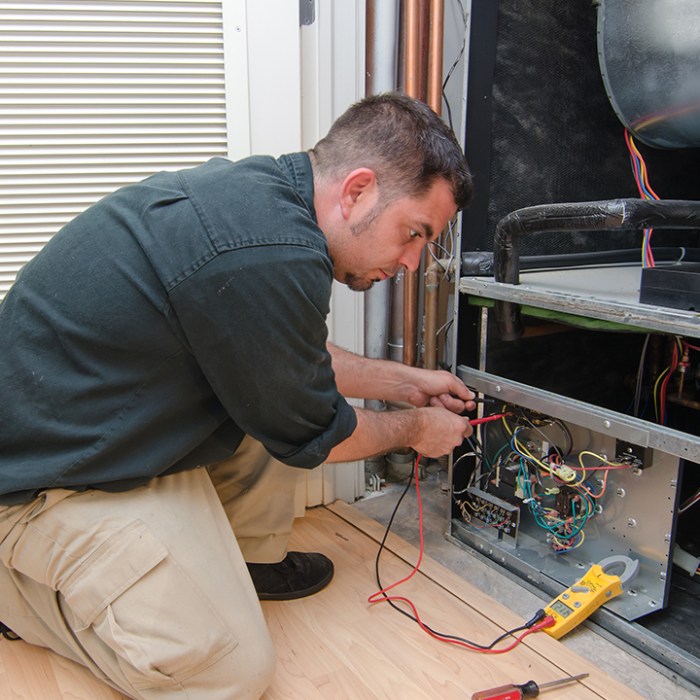
Professional HVAC maintenance services offer a range of benefits that can greatly enhance the performance and longevity of your heating and cooling systems. By hiring trained technicians to handle maintenance tasks, homeowners can enjoy several advantages over attempting to maintain their HVAC systems on their own.
Expertise and Tools
Professional HVAC technicians have the knowledge, experience, and specialized tools necessary to effectively inspect, clean, and repair HVAC systems. Their expertise allows them to identify potential issues early on, preventing costly repairs down the line. Additionally, professionals can ensure that all components are functioning optimally, leading to improved energy efficiency and overall performance.
Prolonged Lifespan and Indoor Air Quality
Regular professional maintenance can help extend the lifespan of HVAC systems by keeping them clean and well-maintained. By addressing issues promptly and performing routine checks, technicians can prevent major breakdowns and extend the overall longevity of the system. Moreover, professional maintenance can also lead to improved indoor air quality by ensuring that filters are clean, ducts are free of debris, and ventilation systems are operating efficiently.
Cost Considerations for HVAC Maintenance
Regular HVAC maintenance comes with potential costs that homeowners need to consider. While the upfront expenses may seem daunting, investing in maintenance can actually save money in the long run by preventing major repairs and extending the lifespan of your HVAC system.
Here are some tips on budgeting for HVAC maintenance as part of your overall home maintenance expenses:
Breakdown of Costs
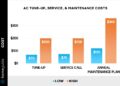
When it comes to HVAC maintenance, costs can vary depending on the type of system you have, the level of service required, and the company you choose to work with. Some common costs associated with HVAC maintenance include:
- Regular maintenance visits by a professional technician
- Replacement of air filters
- Cleaning of ductwork
- Repair or replacement of components like coils, fans, or motors
Saving Money in the Long Run
While the costs of regular HVAC maintenance may add up over time, they are often far less than the expenses associated with major repairs or premature system replacement. By investing in maintenance, you can catch small issues before they escalate into costly problems, ultimately saving you money in the long term.
Budgeting Tips
When budgeting for HVAC maintenance, it's important to consider it as a necessary expense for the upkeep of your home. Here are some tips to help you manage the costs:
- Set aside a portion of your monthly budget for HVAC maintenance
- Research and compare prices from different HVAC service providers
- Consider signing up for a maintenance plan that offers discounted rates for regular service
- Stay proactive and address any minor issues promptly to avoid costly repairs down the line
Final Thoughts
In conclusion, residential HVAC maintenance is not just about keeping your system running; it's about ensuring your home remains a comfortable haven for you and your family. By staying on top of maintenance tasks and knowing when to call in the professionals, you can extend the lifespan of your HVAC system and enjoy cleaner indoor air.
Take charge of your home's comfort and make residential HVAC maintenance a top priority today.
Detailed FAQs
How often should I change my HVAC filters?
It's recommended to change your HVAC filters every 1-3 months, depending on usage and filter type.
Can I clean my HVAC coils myself?
While it's possible to clean coils yourself, it's best to have a professional handle this task to avoid damaging the system.
What are the benefits of bi-annual HVAC maintenance?
Bi-annual maintenance allows for more frequent checks and adjustments, leading to improved system efficiency and performance.
When should I consider professional HVAC maintenance?
Consider professional maintenance if you encounter complex issues, unusual noises, or a significant drop in system performance.
How can HVAC maintenance save me money in the long run?
Regular maintenance helps prevent major repairs and extends the lifespan of your HVAC system, saving you money on costly replacements.